
The Psychologist Who Changed the Conversation About Consciousness
Julian Jaynes' remarkable theory of how the human mind evolved

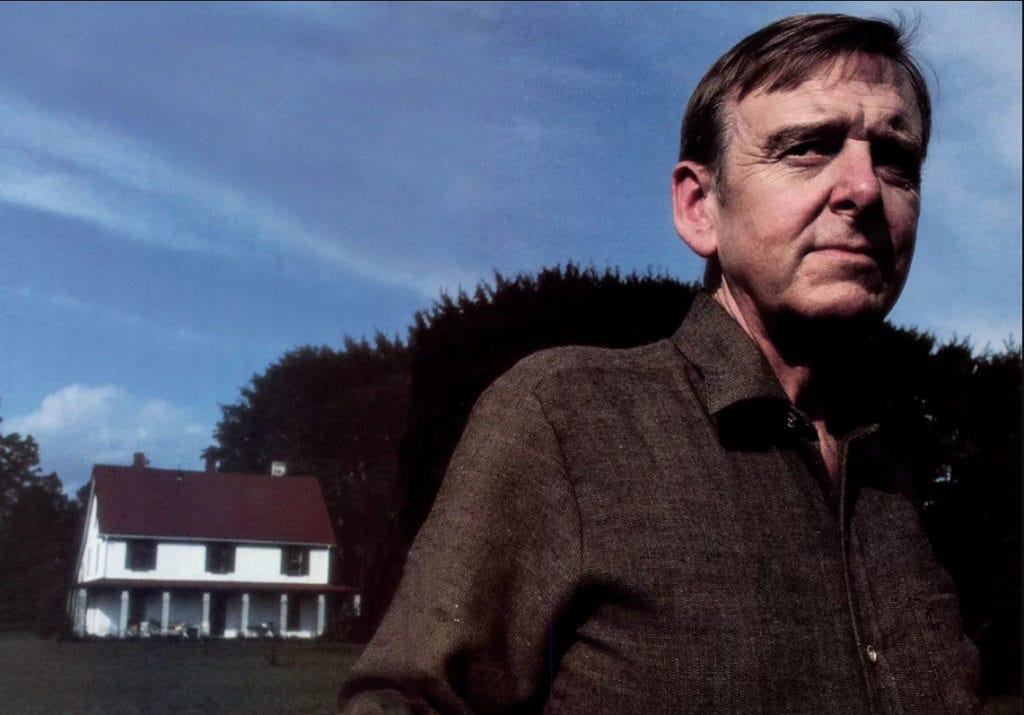
Julian Jaynes (1920–97) was an American psychologist famous for his provocative and groundbreaking theory about human consciousness.
Born in West Newton, Massachusetts, Jaynes was the son of a Unitarian minister. He spent three years in the penitentiary during World War II for refusing to fight. He received his PhD from Yale and spent most of his career at Princeton.
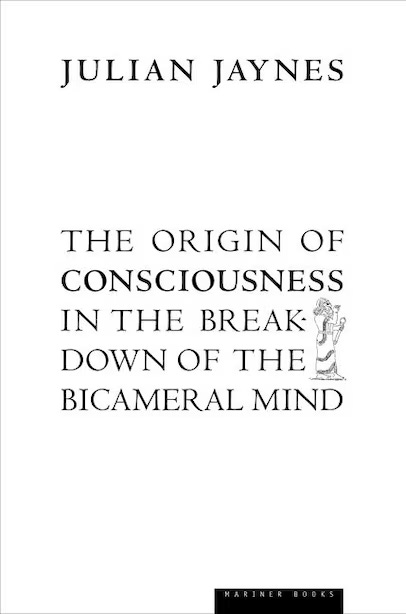
Jaynes gained international attention with his novel theory presented in his 1976 book The Origin of Consciousness and the Breakdown of the Bicameral Mind. The book became one of the most widely discussed works on consciousness of the twentieth century and continues to attract readers fifty years after its publication.
His central claim was that early humans did not have consciousness as we understand it today. Instead, they operated under what he termed a “bicameral mind.” In this mental structure, the brain’s right hemisphere “spoke” as a voice of authority, which was perceived as gods or ancestors, while the left hemisphere obeyed. Jaynes argued that this bicameral way of thinking guided human behavior in ancient civilizations.
Jaynes argued that this unconscious, command-following mode of thought was well-suited to early civilizations. He believed ancient societies were highly hierarchical and depended on strict obedience and social order, much like the organized behavior seen in insect colonies such as bees or ants. As populations grew and societies were disrupted by wars, migrations, trade, and natural disasters, however, this rigid mental system became less adaptive.
According to Jaynes, these increasingly complex environments caused the bicameral mind to break down about 3,000 years ago. In its place emerged modern consciousness, characterized by self-awareness, introspection, and deliberate reasoning.
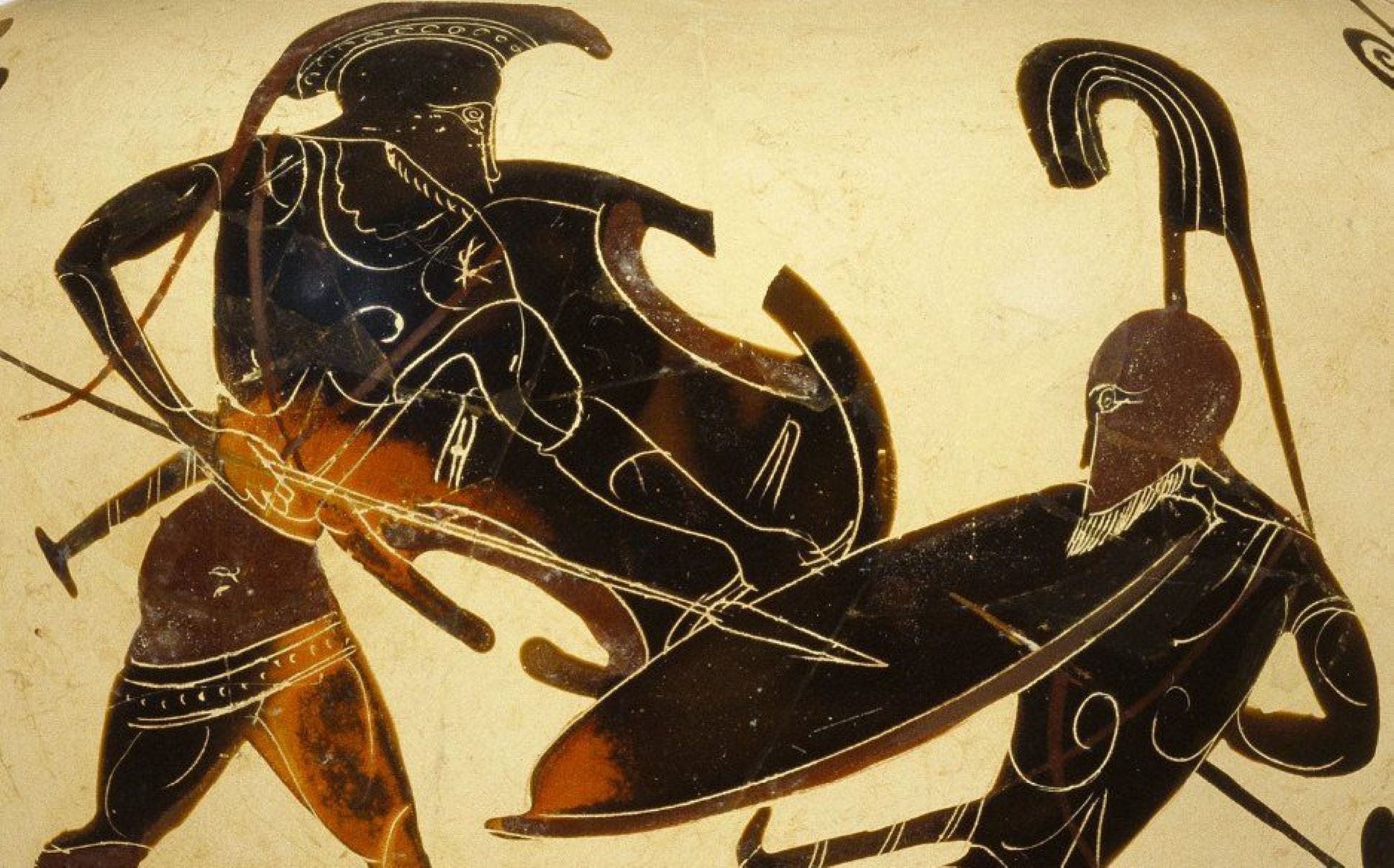
He supported his theory by analyzing historical texts, such as The Iliad, The Odyssey, and the Hebrew Bible. Jaynes claimed that the characters in The Iliad exhibited no self-awareness and followed auditory and visual hallucinations that they interpreted as divine commands, while those in the later The Odyssey showed conscious decision-making and introspection. He said you can also see this evolution in the Hebrew Bible, which was composed by multiple authors over centuries.
Jaynes believed that remnants of the bicameral mind persist today in religious experiences and mental disorders, including hearing divine voices and the commanding voices heard by schizophrenics. He wrote that, by today’s psychiatric standards, early people were schizophrenic.
Jaynes’ theory sparked intense debate, met with both fascination and skepticism. Critics pointed to the speculative nature of his ideas, particularly regarding the brain’s evolution and his interpretation of historical texts.
Jaynes’ work has had a lasting impact, stimulating ongoing discussions about the nature of consciousness, the development of human brains, and the nature of early religious beliefs and experiences. His ideas continue to be explored in neuroscience, psychiatry, philosophy, religious studies, and anthropology, marking him as an intellectual maverick who challenged conventional thinking about humans.
Thanks ... great summary. I read Bicameral a few years back. I remain unconvinced by the idea. Though based on personal experience, I can't rule it out yet.
Regarding 'theory ', I think Christine is right; scientifically, it is more of a hypothesis, idea or even a speculation. But merely unfalsifiable is a step too far. Difficult to falsify, or we can't see a way to falsify, perhaps.
Wow, that is interesting!