
When the Experts Got It Wrong
Why Expertise Matters, Why It Sometimes Fails, and Why Authenticity Is Rarely Certain.

Most people assume that experts can reliably distinguish authentic artifacts from fakes. After all, they have specialized training, years of experience, and access to scientific testing. Yet the history of authentication is filled with cases where respected scholars, museums, scientists, and institutions accepted objects that later proved to be forgeries.
These mistakes are not merely historical curiosities. They reveal something important about the limits of expertise and human judgment.
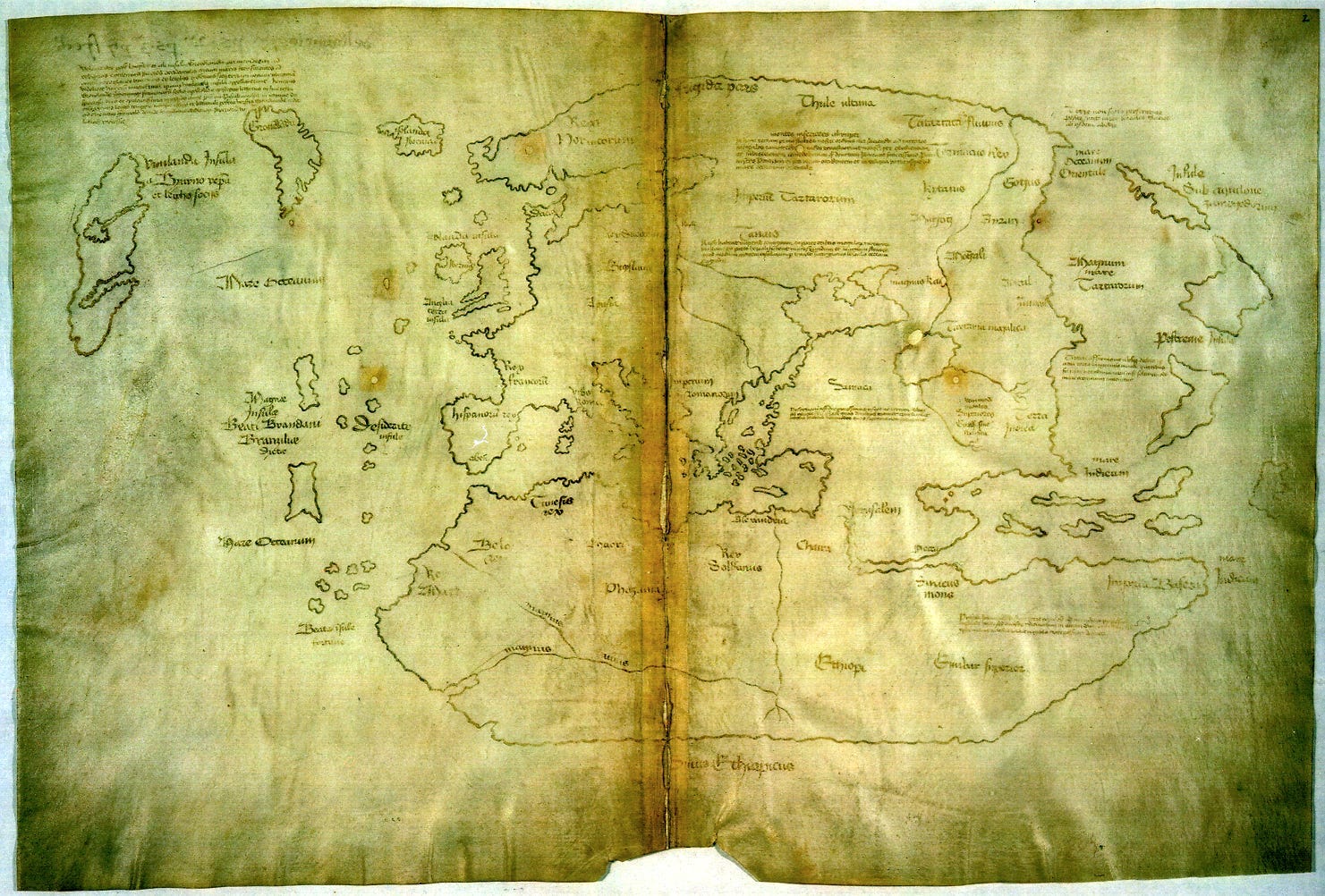
One famous example is the Vinland Map. Acquired by Yale University in the 1950s, the map appeared to show that Scandinavian Vikings reached North America before Columbus. Many scholars regarded it as one of the most important cartographic discoveries of the twentieth century. Decades later, scientific analysis detected modern pigments inconsistent with a medieval origin. Today, the map is generally regarded as a forgery created on old paper.
In 1983, the German magazine Stern purchased what were claimed to be the personal diaries of Adolf Hitler. Several respected historians initially accepted them as genuine. The discovery attracted worldwide attention. Within weeks, forensic testing revealed modern materials in the paper, ink, and bindings. The diaries were exposed as an elaborate fraud.
Science has experienced similar failures. In 1912, fossil remains discovered in England were hailed as Piltdown Man, the long-sought “missing link” between apes and humans. Many leading scientists accepted the find. For more than forty years it influenced theories of human evolution. Eventually, improved testing showed that the specimen had been fabricated from a human skull and an orangutan jaw.
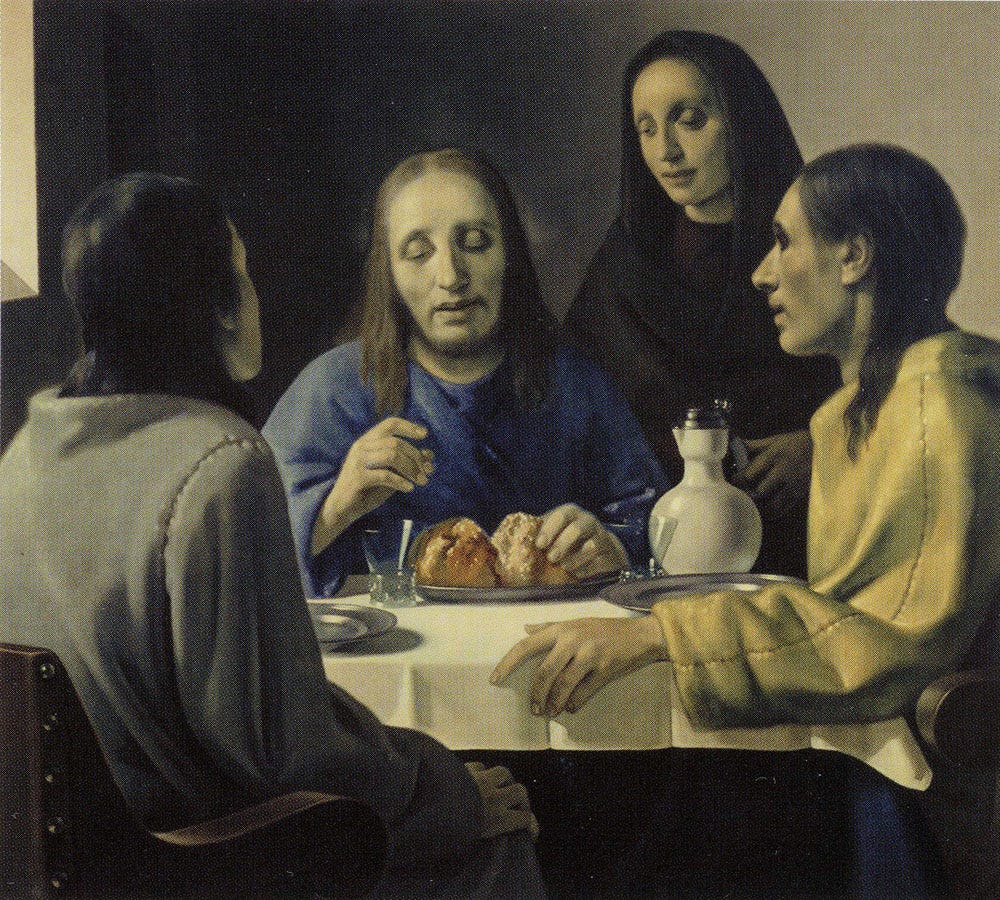
The art world has its own long history of authentication mistakes. Dutch forger Han van Meegeren created paintings that convinced many experts they had discovered previously unknown works by Vermeer. Some scholars praised the paintings as masterpieces. The deception was so successful that van Meegeren eventually had to demonstrate his methods in court to prove that he had painted them himself.
Other cases remain unresolved. In 1985, the J. Paul Getty Museum purchased a marble statue known as the Getty Kouros. Extensive scientific testing failed to establish whether it was ancient or modern. Some scholars believe it is a genuine Greek sculpture. Others believe it is a sophisticated forgery. Decades later, no consensus exists.
One reason many famous forgeries have been exposed in recent decades is the development of increasingly sophisticated scientific testing methods. Modern laboratories analyze pigments, inks, paper, wood, metals, textiles, adhesives, and other materials with a level of precision that would have been impossible a century ago. Carbon dating, spectroscopy, X-ray fluorescence, microscopy, and other techniques can determine when materials were produced, where they originated, and whether they are consistent with the claimed age and history of an artifact.
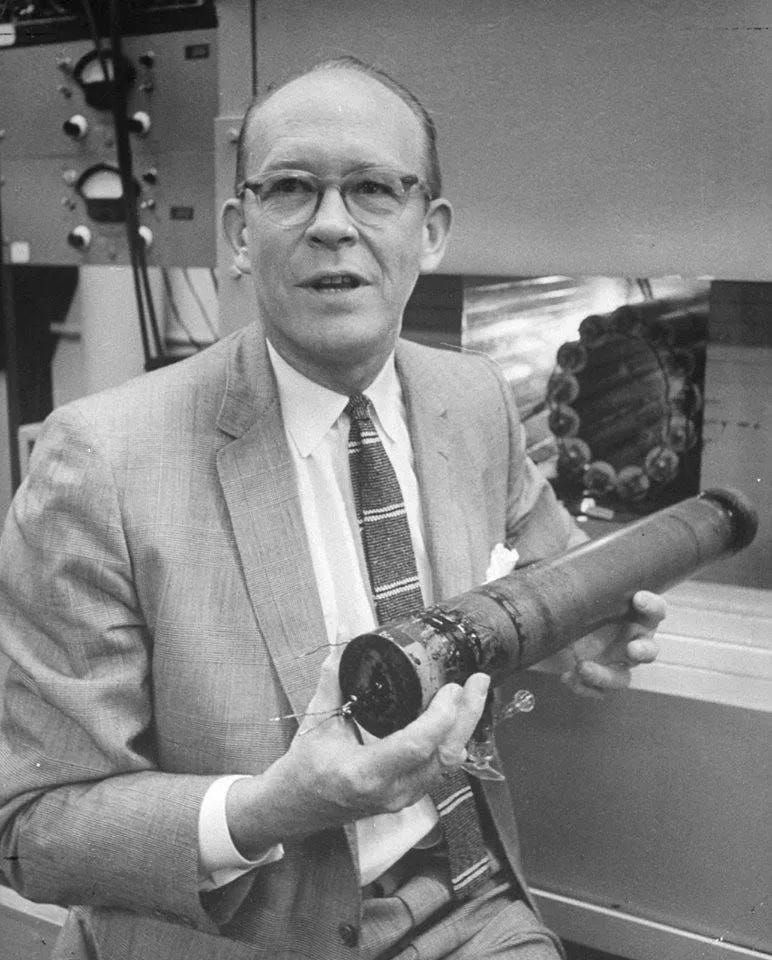
These advances have exposed countless fakes. Paintings have been revealed as forgeries because they contained pigments that did not exist during the artist’s lifetime. Historical documents have been exposed because they were written on modern paper or with modern ink. Supposedly ancient artifacts have been shown to contain recently manufactured materials.
At the same time, scientific testing has important limitations. Science can identify and analyze materials, but it cannot directly authenticate an artifact. A seventeenth-century canvas does not prove a painting was created by a particular artist. Ancient wood can be carved into a modern forgery. Old paper can be used to create fake historical documents. Forgers have even been known to apply old materials to modern objects in anticipation of scientific testing.
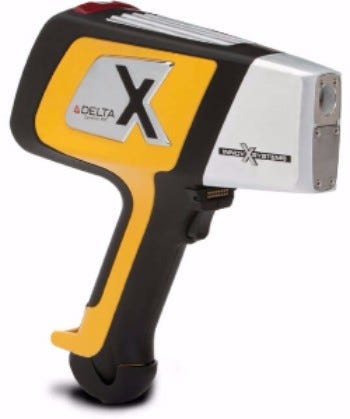
Scientific analysis can often demonstrate that an object is fake by showing that its materials are inconsistent with its claimed origin. However, it is usually much more difficult to prove that an object is genuine. Passing scientific tests does not establish authenticity. It merely removes key reasons for doubt.
For this reason, authentication almost always requires multiple forms of evidence. Scientific testing must be combined with the knowledge of historians, archaeologists, art historians, conservators, and other specialists. Experts examine style, craftsmanship, provenance, historical context, documentary evidence, manufacturing techniques, patterns of wear, and countless other factors. No single test is decisive.
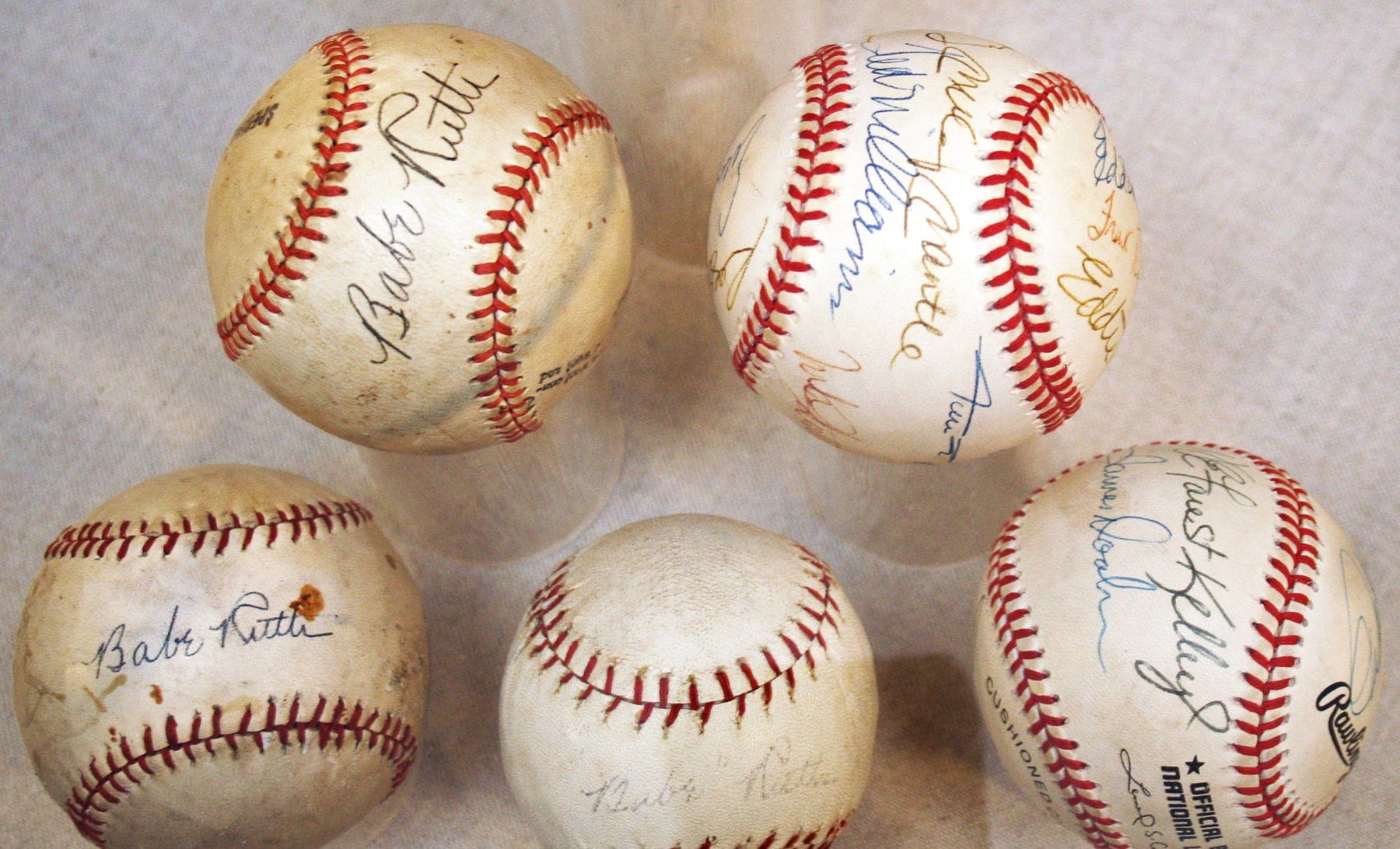
What makes these stories fascinating is that the problem is not usually incompetence. The people involved were often among the most knowledgeable experts in their fields.
The deeper issue is that expertise does not eliminate human psychology.
Experts can be influenced by confirmation bias and social pressures. They may be more likely to accept evidence that supports what they hope to find. Institutions may feel pressure to validate expensive acquisitions. Scholars may hesitate to challenge a growing consensus. The excitement surrounding a potentially historic discovery can make skepticism more difficult.
Forgers understand human psychology as well. Many successful fakes tell experts exactly the story they want to hear. The object appears at the right moment, fills a gap in knowledge, confirms an existing theory, or promises to solve a long-standing mystery.
The history of authentication teaches an important lesson. Expertise is real and valuable. Experts are far more reliable than amateurs. However, expertise is not infallibility. Scientific testing can be deceptive. Scholarly consensus can be wrong. Even the most experienced specialists sometimes misjudge the evidence.
In many ways, authentication reflects a broader truth about human knowledge. We rarely possess absolute certainty. Instead, we weigh evidence, compare probabilities, and make the best judgments we can with incomplete information. Outside of clear-cut cases, authentication is best understood as an informed and provisional opinion rather than a final and unquestionable fact.
Related Reading:
Hans van Meegeren: Master Forger
The Study of Colors and Light in Art and Artifact Authentication
E. Jean Carroll's lawsuit against President Trump was thrown out after one of the pieces of evidence a dress was found not to have been produced until years after the rape was suppose to have taken place.